CORES
Ice cores are cylindrical samples of ice extracted from glaciers and polar ice caps that provide valuable insights into Earth's climatic history. These cores serve as natural archives, preserving layers of snow and ice formed over thousands to hundreds of thousands of years. Scientists analyze the composition of these layers, including trapped air bubbles and isotopes, to reconstruct past climatic conditions. The trapped air bubbles contain a record of the atmosphere's composition at the time the snow was deposited, offering information about greenhouse gas concentrations.
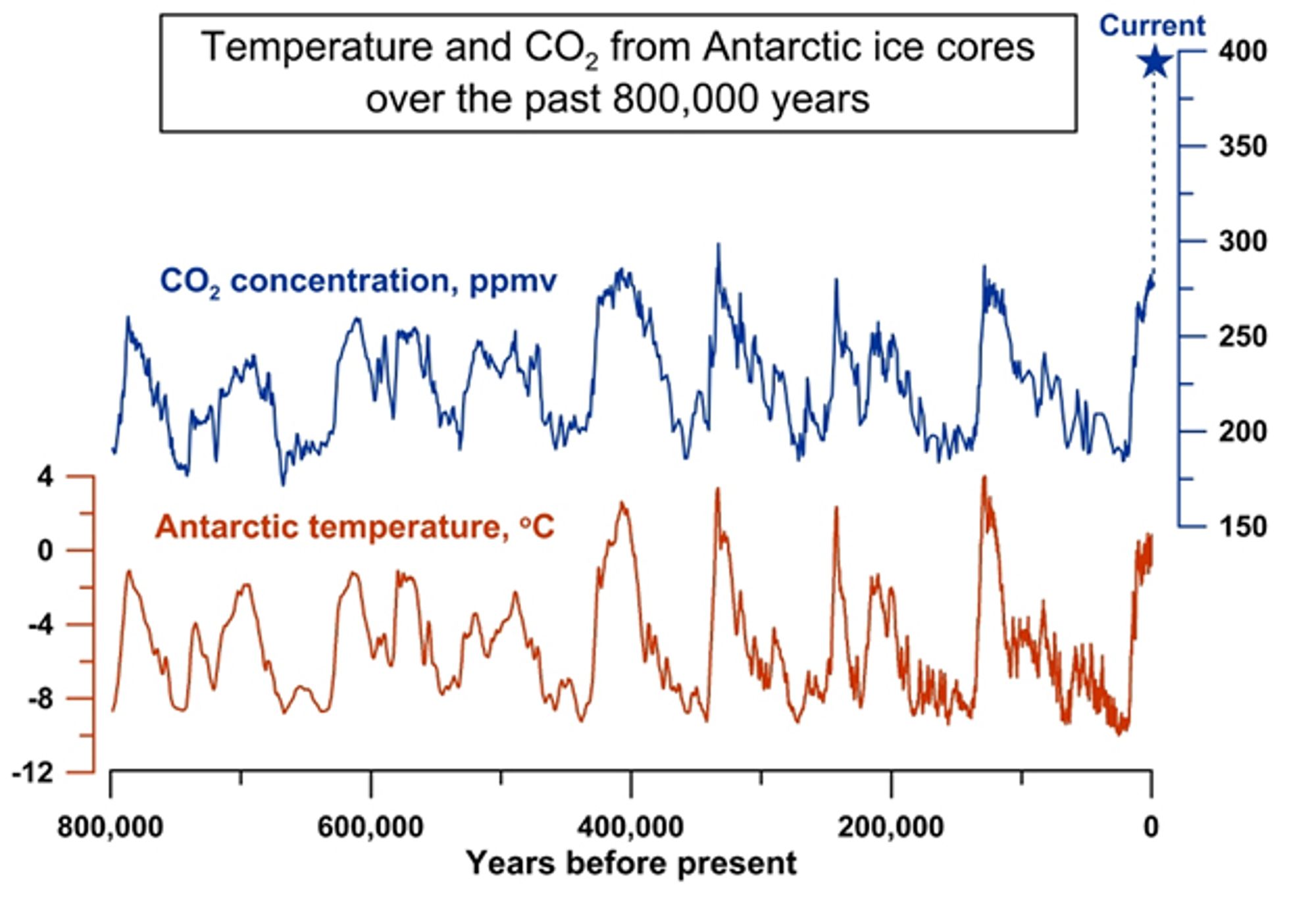
An analysis by NIWA(National Institute of Water and Atmospheric Research) shows that the carbon dioxide concentration has been increasing abnormally compared to the trend past 800,000 years, which is in correlation with the antarctic temperature. This indicates that the degree of climate change has been worsen significantly due to the human expansion.
BOREAL
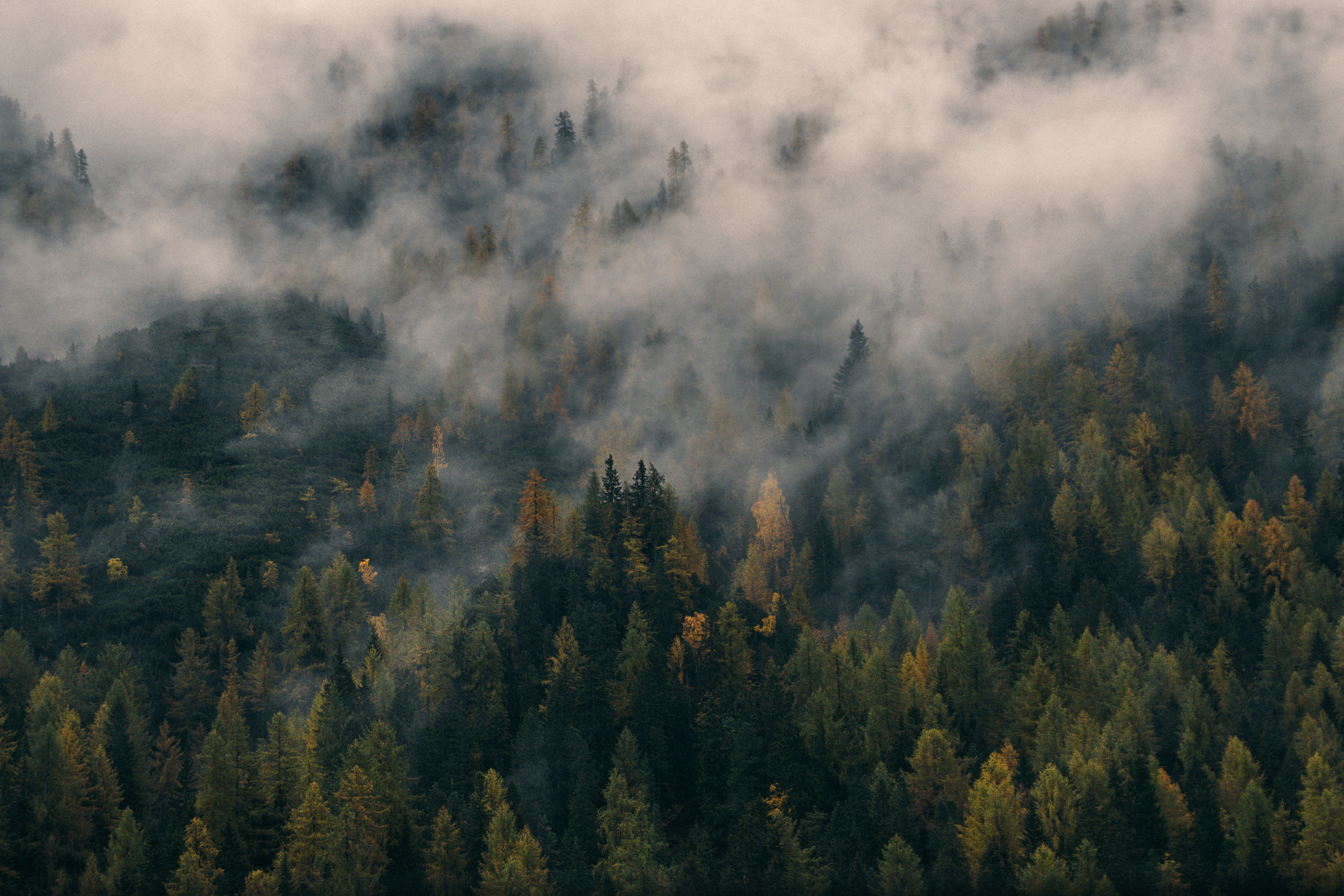
Boreal, often referred to as the boreal forest or taiga, represents a vast biome characterized by extensive stretches of coniferous trees, predominantly spruce, fir, and pine, interspersed with wetlands and lakes. This biome encircles the Earth in northern latitudes, spanning across North America, Europe, and Asia. Boreal ecosystems endure long, cold winters and short, relatively warm summers. The boreal region plays a crucial role in global carbon storage, serving as a significant reservoir of carbon in its soils and vegetation. This biome supports diverse wildlife, including iconic species like moose, bears, and wolves, as well as numerous migratory bird species.
However, as the temperature rises faster than the speed that the forest can adapt, reduction of primary productivity occurs. This implies decrease of photosynthesis and less carbon dioxdie processed by the boreal forest. Additionally, the amount of drought also causes more intense and frequent forest fires. If the global warming continues and once hit the tipping point, impacts will accelerate.
POLAR
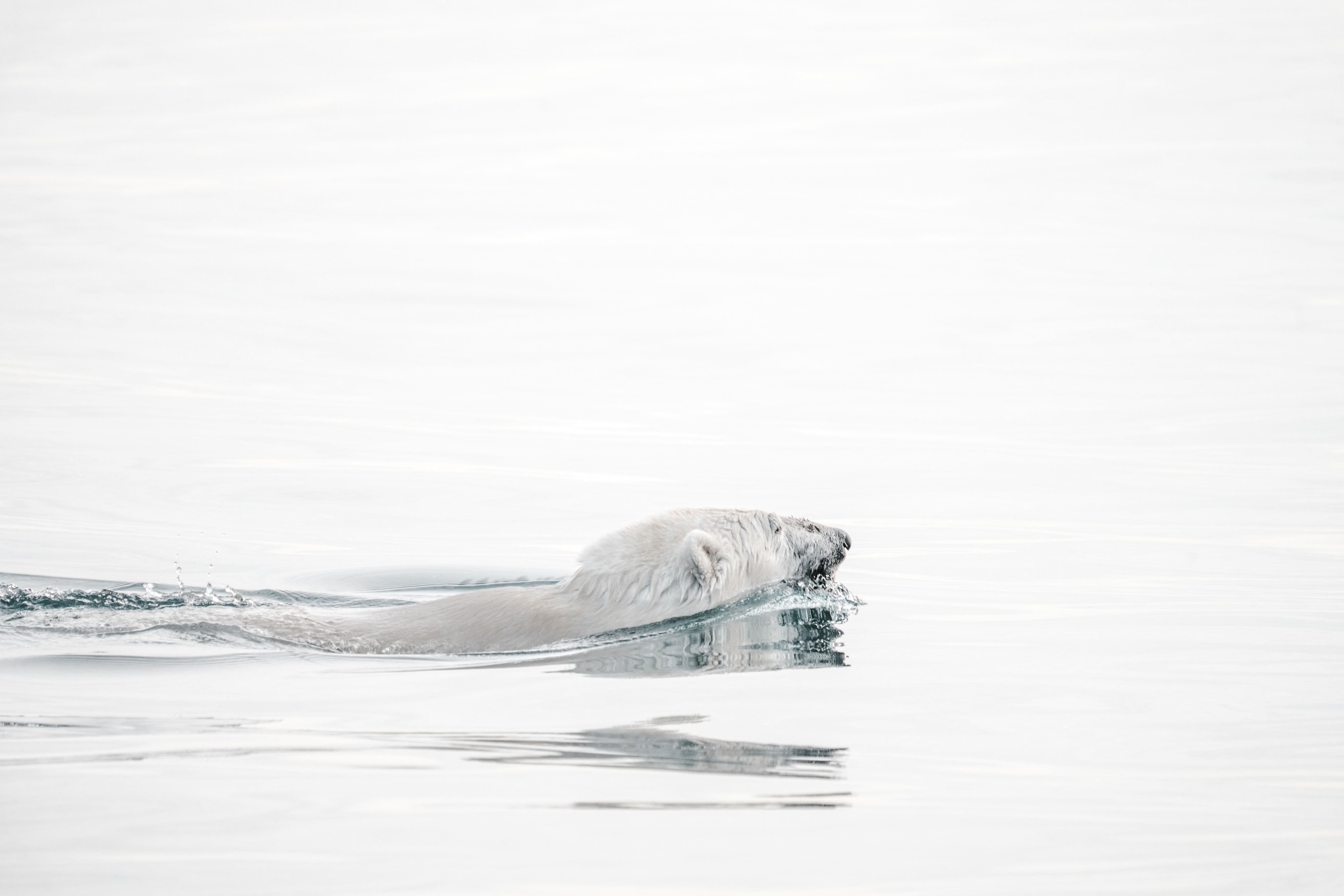
The polar regions, encompassing the Arctic around the North Pole and Antarctica around the South Pole, are extreme environments characterized by their frigid temperatures, vast expanses of ice and snow, and unique ecosystems adapted to harsh conditions. The Arctic is an ocean surrounded by land, while Antarctica is a continent covered by a thick ice sheet. These regions play a critical role in regulating the Earth's climate and sea levels. Polar ecosystems, though seemingly inhospitable, are home to a variety of resilient organisms such as polar bears, seals, penguins, and specialized cold-adapted flora. The polar regions are experiencing the impacts of climate change at an accelerated rate. Landfast ice and sea ice, each produced from freshwater and salt water are melting. Species such as Emperor penguins and Walruses are depending on the sea ice and floes are threatened.
UPWELL
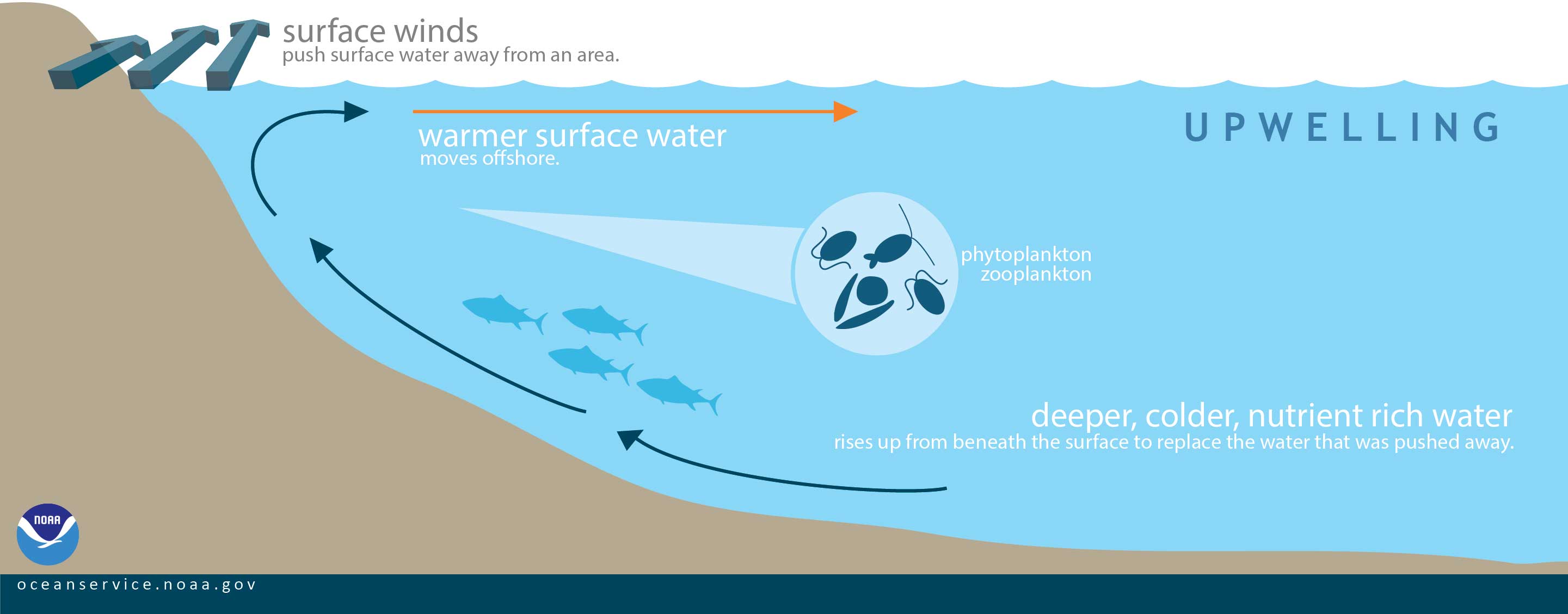
Upwelling typically refers to a phenomenon in the world's oceans that can have complex implications for climate. Upwelling involves the rising of cold, nutrient-rich waters from the deep ocean to the surface. While this process is important for marine ecosystems, as it brings essential nutrients to the surface that support marine life and fisheries, it can also influence global climate patterns. Upwelling regions are often associated with increased biological productivity and the absorption of carbon dioxide from the atmosphere by marine organisms. However, changes in upwelling patterns can have cascading effects on marine ecosystems and may contribute to alterations in the distribution and abundance of marine species. The relationship between upwelling and global warming is an active area of research, as scientists seek to understand how climate change may impact this process and the broader consequences for oceanic and atmospheric conditions.
RANGE
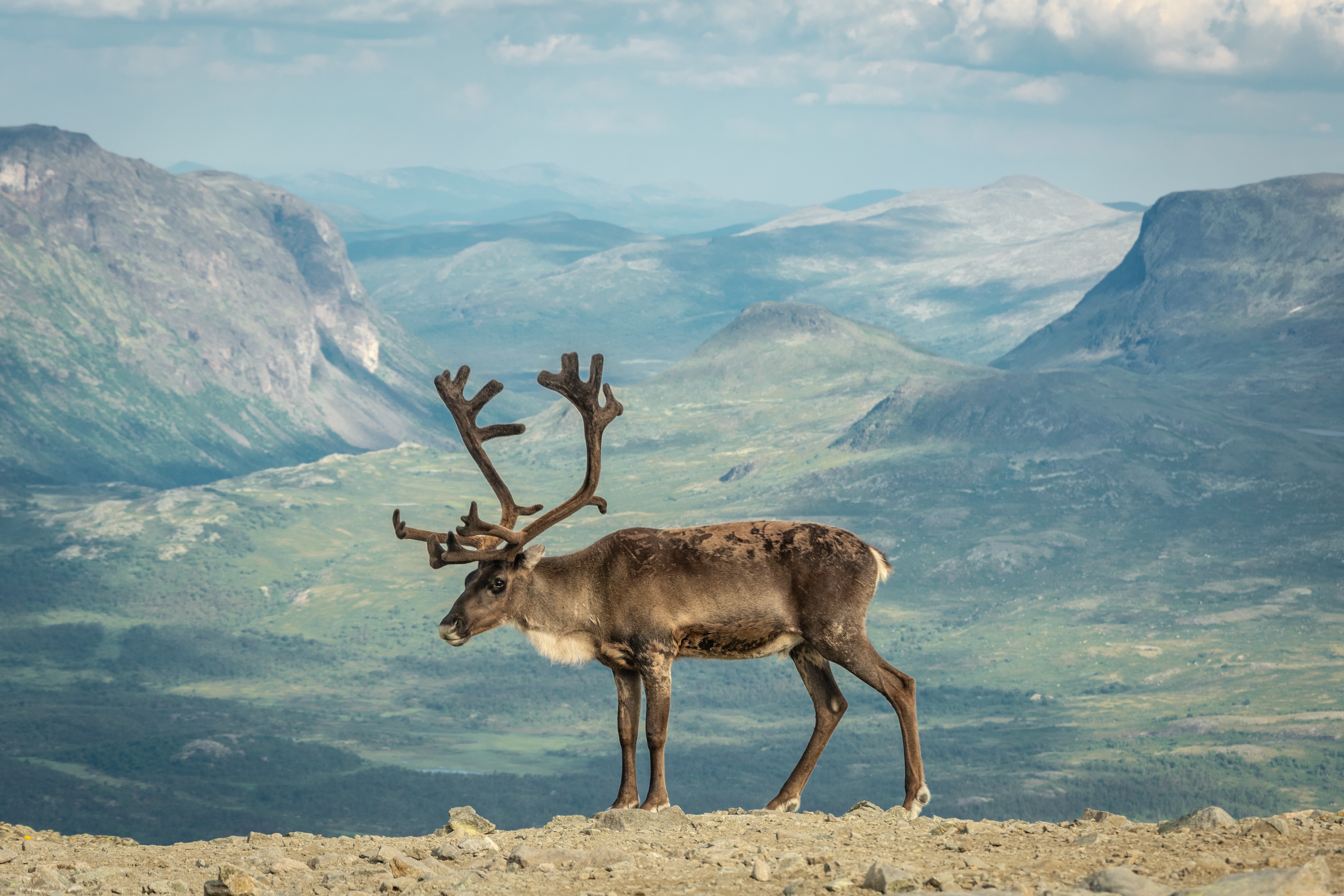
Geographic distribution or habitat range of various species has been affected by the climate change. As temperatures rise due to climate change, many species may experience shifts in their ranges as they seek more suitable climates. This phenomenon, known as range shifts, involves species moving towards higher latitudes(Poleward) or elevations(Upslope) in search of cooler temperatures or suitable habitats. Some species may find their current habitats becoming inhospitable, while others may benefit from expanded ranges. Range shifts can have cascading effects on ecosystems, impacting species interactions, biodiversity, and ecosystem functions. Moreover, the ability of species to successfully shift their ranges is influenced by various factors, including habitat availability, landscape connectivity, and the speed at which climate change occurs. For example, the reindeers weren’t successful at shifting range, as the life cycle of their sources of food, Arctic Mouse-Eared Chickweed aren’t suited for their lifestyle. Understanding and monitoring range shifts is crucial for predicting and mitigating the ecological consequences of global warming.
CORAL
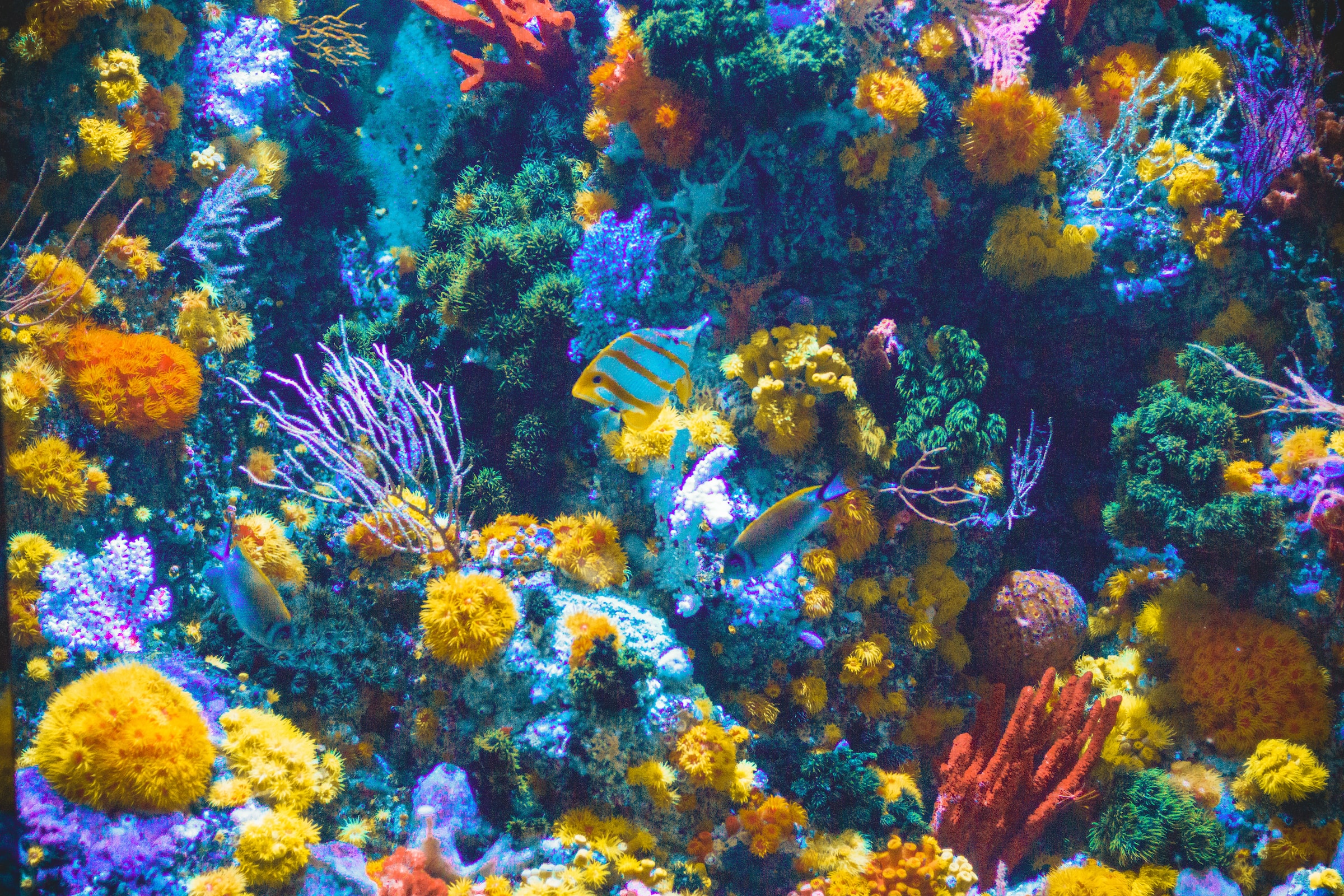
Coral, a fascinating marine organism, comprises colonies of tiny animals known as polyps that are related to sea anemones and jellyfish. Coral reefs are vital ecosystems, supporting an extraordinary biodiversity of marine life. The symbiotic relationship between corals and photosynthetic algae called zooxanthellae is fundamental to their survival. The algae provide corals with nutrients and vibrant colours through photosynthesis, while the corals offer a protected environment for the algae.
Unfortunately, coral reefs are facing threats, as the concentration of carbon dioxide, or the carbonic acid increases, it in turn limits the carbonic ion formation, resulting in distraction of exoskeleton formation. Also, the increase of ocean temperature stress coral and the algae, causing corals to expel the algae which is indicated as the colour disappear. Now the coral is no longer able to get the food, it is in danger of starvation. Efforts are made to prevent corals from diminishing, as such, it is found that a natural molecule, curcumin, could be able to aid preventing the coral bleaching.
CYCLE
Phenology is the study of cyclic and seasonal natural phenomena in plants and animals, primarily focused on the timing of key events in their life cycles. These events, often influenced by environmental factors such as temperature, sunlight, and precipitation, include activities like flowering, leaf emergence, migration, and reproduction. Additionally, photoperiod refers to daily cycle of the primary producers. Phenological observations are instrumental in predicting and mitigating potential ecological disruptions and have practical applications in agriculture, forestry, and conservation, making phenology a valuable field for comprehending the dynamic interplay between living organisms and their ever-changing surroundings.
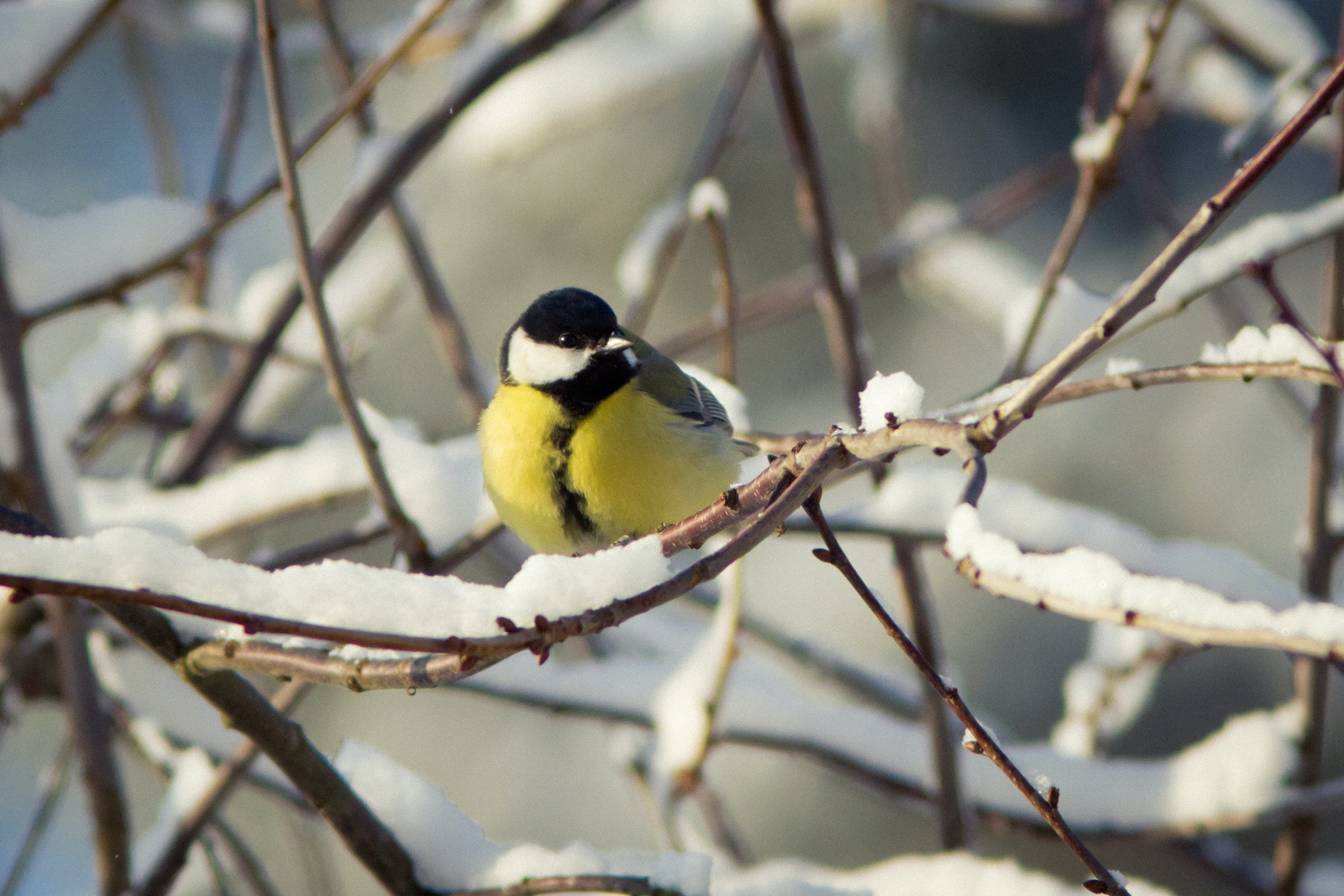
Phenologic disruption would result in threatening species and limiting their reproductive ability. As such, the great tit(Parus major), are struggling to feed their offsprings due to earlier growth of catapillars.
METHANE
Methane is a colorless, odorless, and highly flammable hydrocarbon gas with the molecular formula CH4. It is the primary component of natural gas and is a potent greenhouse gas. As a greenhouse gas, methane has a significantly higher warming potential than carbon dioxide over a shorter time frame, although it persists in the atmosphere for a relatively shorter duration. Anthropogenic activities, such as fossil fuel extraction, livestock digestion, and waste management, contribute to elevated methane concentrations in the atmosphere, exacerbating global climate change.
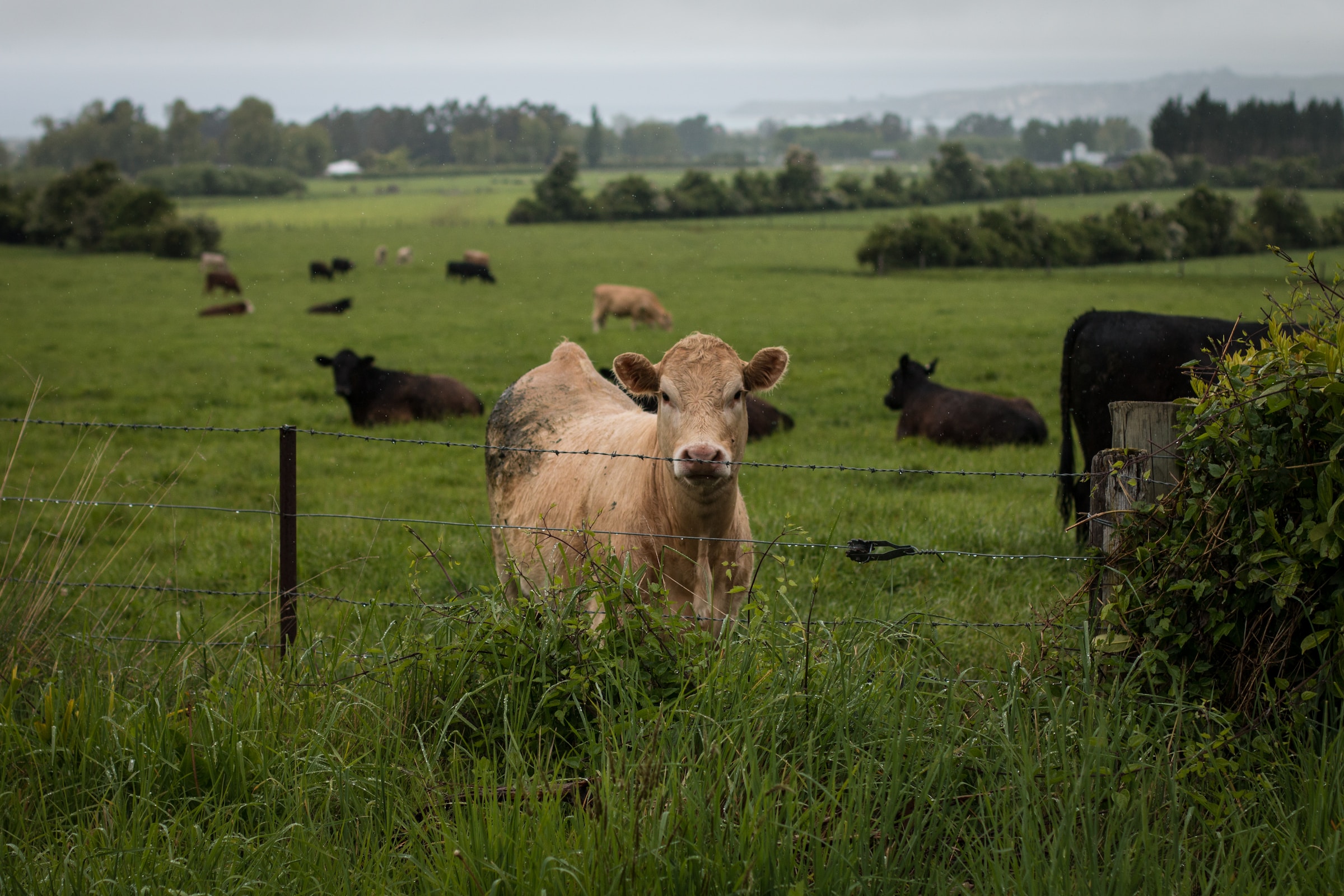
One of the major sources of methane is the animal stock industry. New Zealand, where the economy is driven by agriculture, features approximately 10 million cattle and 25 million sheep and produces massive methane emissions. As an effort to reduce methane emission, the new policy often referred to as the “Burp tax” will tax farmers according to the size of the land, amount of livestock, overall production, and amount of nitrogen fertilizer used.
EVOLUTION
Evolution is the fundamental biological process that describes the gradual changes in the inherited traits of a population over successive generations. It posits that species with traits better suited to their environment are more likely to survive and pass those traits on to their offspring, leading to the accumulation of adaptive characteristics over time.
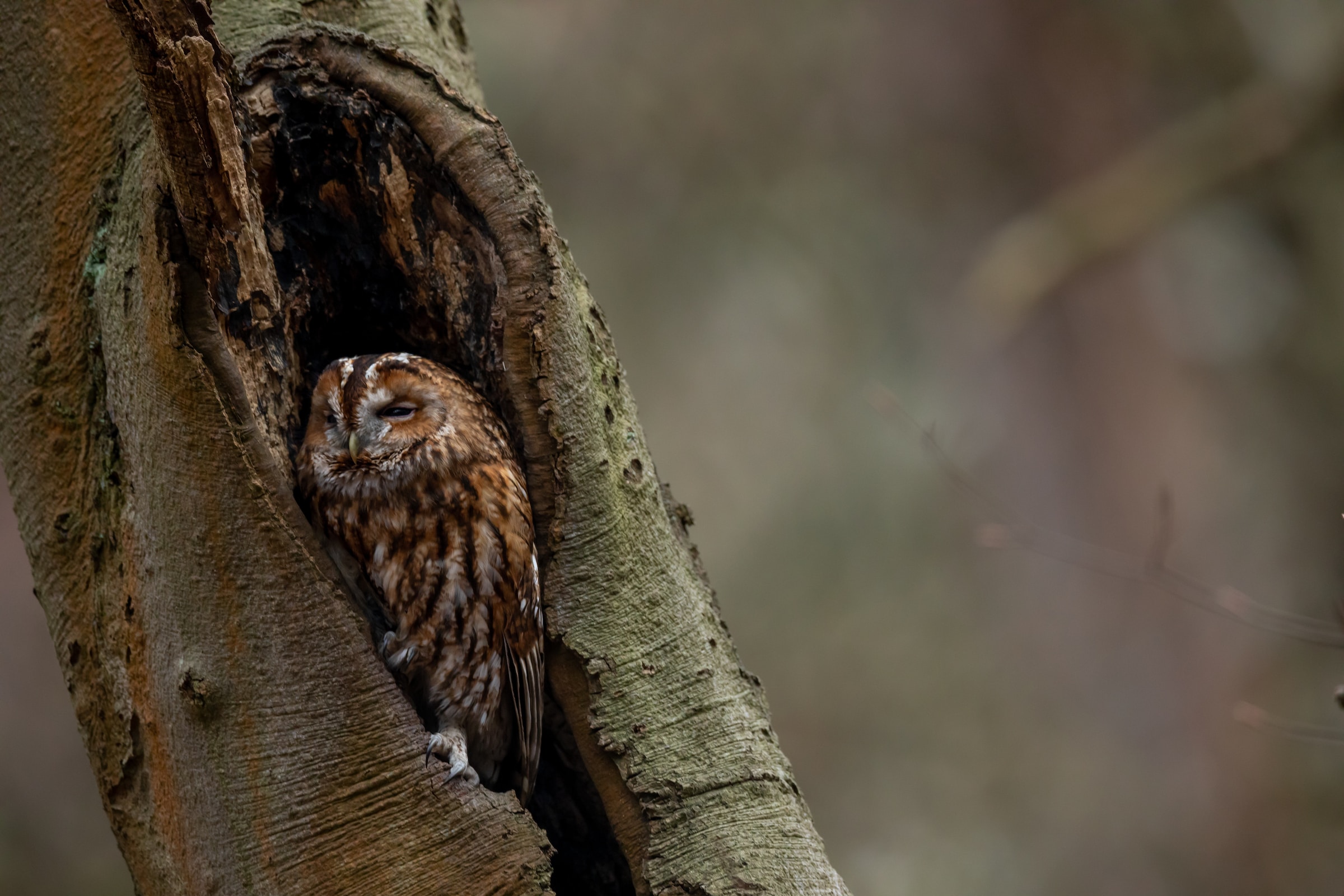
Several species has been adapting to the climate change and making gradual inherited changes. Tawny Owls (Strix aluco), known for their “common” owl sound, are found in the woodland biomes in UK. The species consists of two colour variants; Grey and brown, where grey being dominant in the genetic pool. However, due to the milder winter caused by rising temperature and range shift, the population of brown-feathered owls is dramatically increasing and the gene is being dominant due to natural adaptation.
CORRELATION
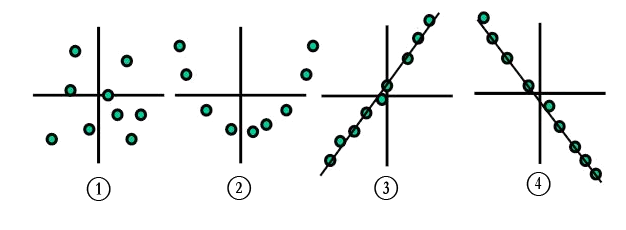
Correlation, a fundamental concept in statistics, measures the degree of association between two variables. It provides insights into how changes in one variable relate to changes in another, indicating the direction and strength of their relationship. A correlation coefficient, typically ranging from -1 to 1, quantifies this association: a value close to 1 signifies a strong positive correlation, implying that as one variable increases, the other tends to increase as well. Conversely, a value near -1 indicates a strong negative correlation, suggesting that as one variable increases, the other tends to decrease. A correlation coefficient around 0 suggests a weak or no linear relationship between the variables. It is advised to acknowledge that a correlation does not necessarily imply causation. This means that two different variables could have a common trend between them, but these two aren’t necessarily in relation with each other.
Anthropogenic climate change refers to the climate change caused by humans, which can be proved with correlation and causation shown between two factors. For instance, increasing amount of greenhouse gas production is the cause of increasing global temperature since they show positive correlation and their causation is proven by the fact that greenhouse gases tend to trap sunlight energy inside the Earth.
FEEDBACK
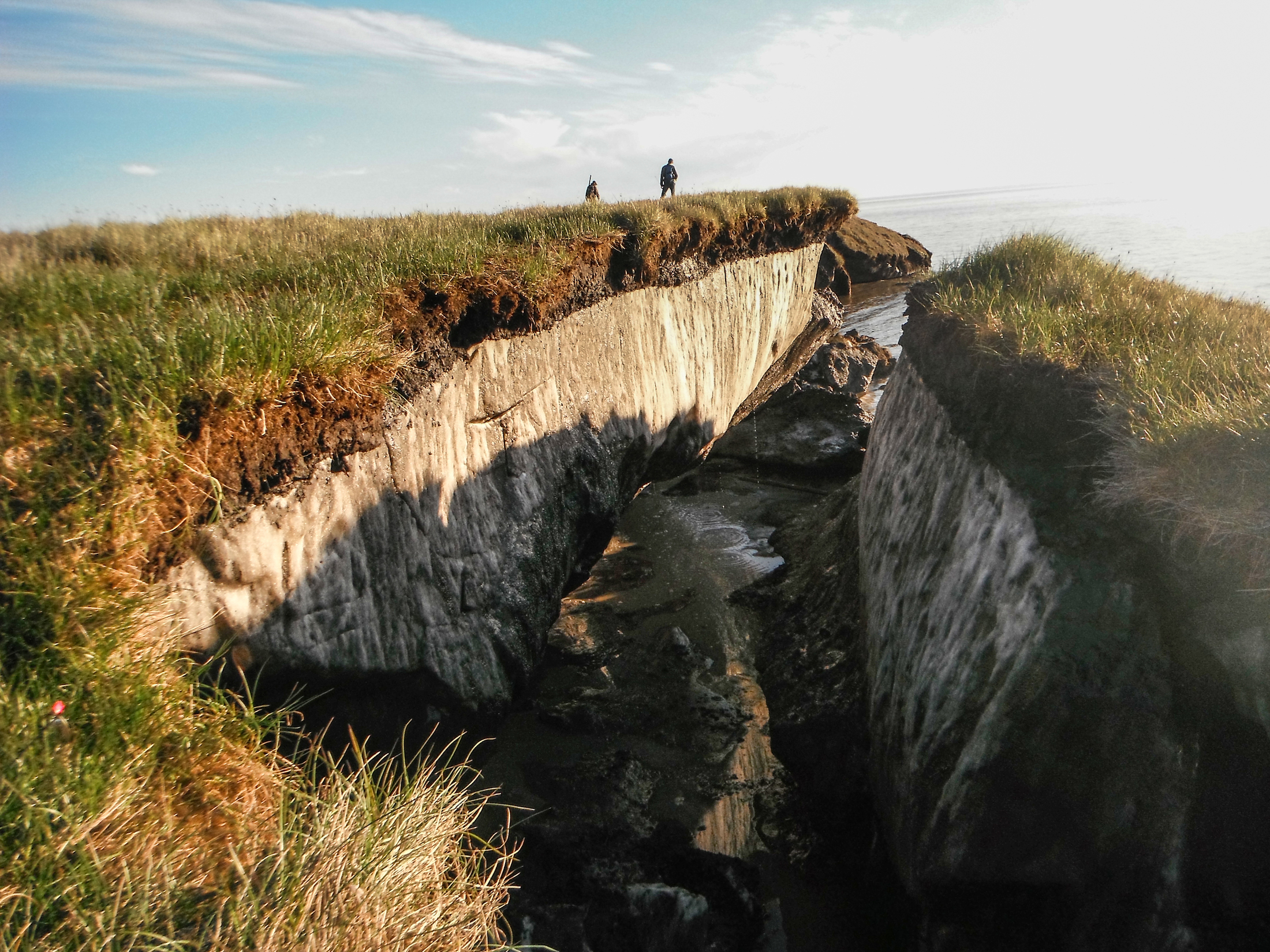
Feedback refers to a complex interplay of processes that either amplify or diminish the effects of climate change. Positive feedback loops exacerbate warming trends by magnifying the initial impact. For example, as global temperatures rise, polar ice melts, reducing the Earth's surface reflectivity. With less ice to reflect sunlight, more solar radiation is absorbed, further warming the planet. Another example involves the release of methane from thawing permafrost, a potent greenhouse gas that intensifies global warming. In contrast, negative feedback loops act as self-regulating mechanisms that can mitigate temperature increases. An example is increased cloud formation in response to warming, which can reflect more sunlight, thus cooling the Earth. Understanding and quantifying these feedback mechanisms are crucial for accurate climate modeling and predicting the future trajectory of global warming. The balance between positive and negative feedback remains a key area of research in climate science.
PEAT
Peatland, or Muskeg is a type of organic soil material formed from the partial decomposition of plant matter in waterlogged conditions, particularly in bog and wetland environments. Composed mainly of decomposed mosses, sedges, and other vegetation, peat is characterized by its high organic content and distinctive brown to dark brown colour. The formation of peat is a slow process, occurring over centuries as dead plant material accumulates and decays in waterlogged, acidic conditions, preventing complete decomposition.
Peat acts as a significant carbon sink, storing large amounts of carbon and playing a crucial role in carbon sequestration. Due to its unique properties, peat has been historically used as a fuel source, horticultural substrate, and even in traditional construction. However, the exploitation of peat has raised environmental concerns, as its extraction for products like garden soil contributes to habitat destruction, releases stored carbon into the atmosphere, and threatens the delicate ecosystems in which it forms. Consequently, there is a growing emphasis on sustainable alternatives and peatland conservation to mitigate the ecological impact associated with peat utilization. An example of the attempts to restore peatland is MLTT (Moss Layer Transfer Technique), which involves taking material from other un-degrated peatland to the impacted peatland.